
Research Area: LLM/Foundational Models
-
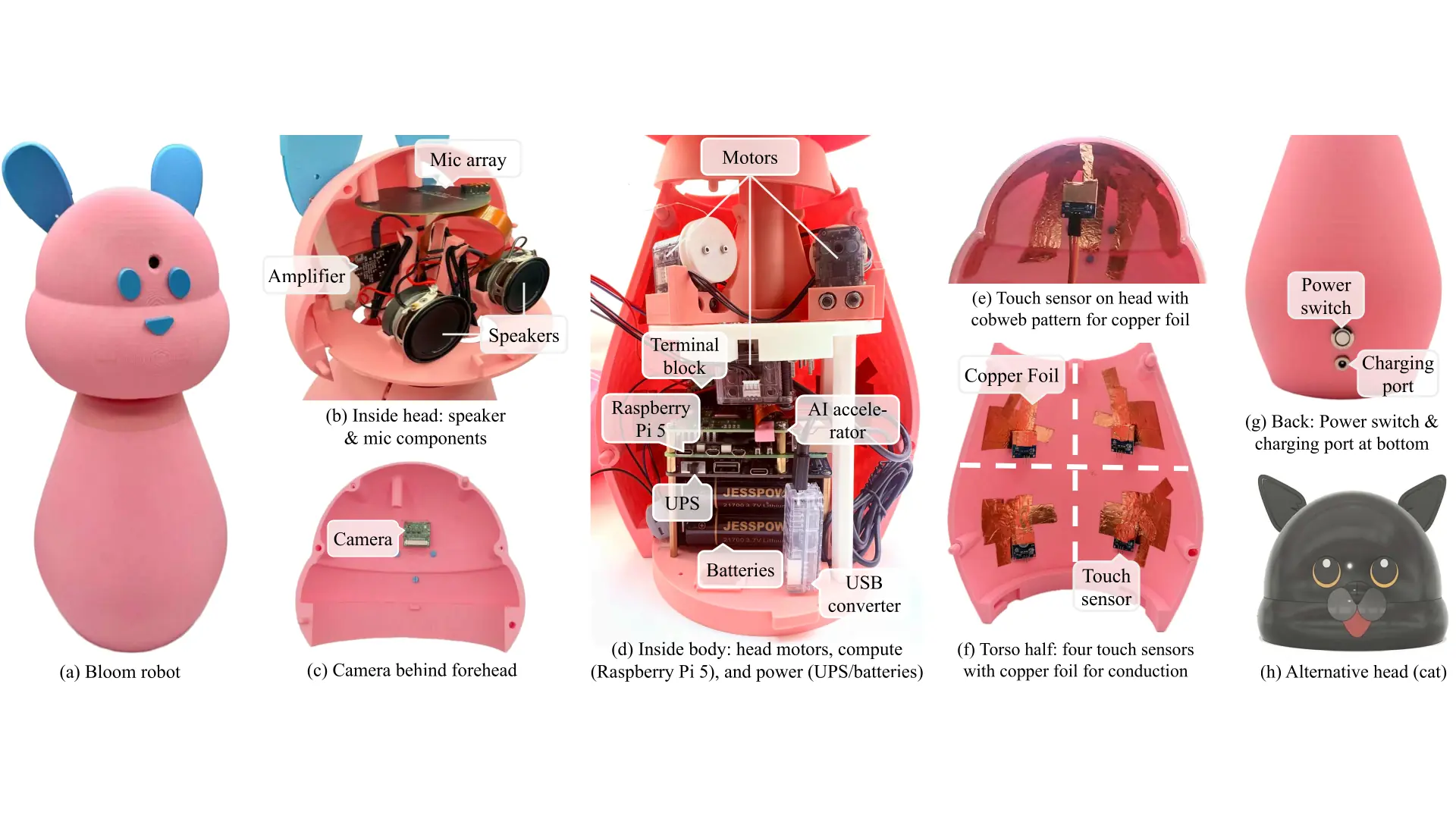
Bloom Preview: A Low-Cost LLM-Powered Social Robot
Abstract HRI research shows that social robots support human companionship and emotional well-being. However, the cost of high-end social robots limits their accessibility, and, yet, existing low-cost platforms cannot fully support users emotionally due to limited interaction capabilities. In this demo paper with accompanying video, we showcase Bloom, a low-cost social robot that combines touch…
-
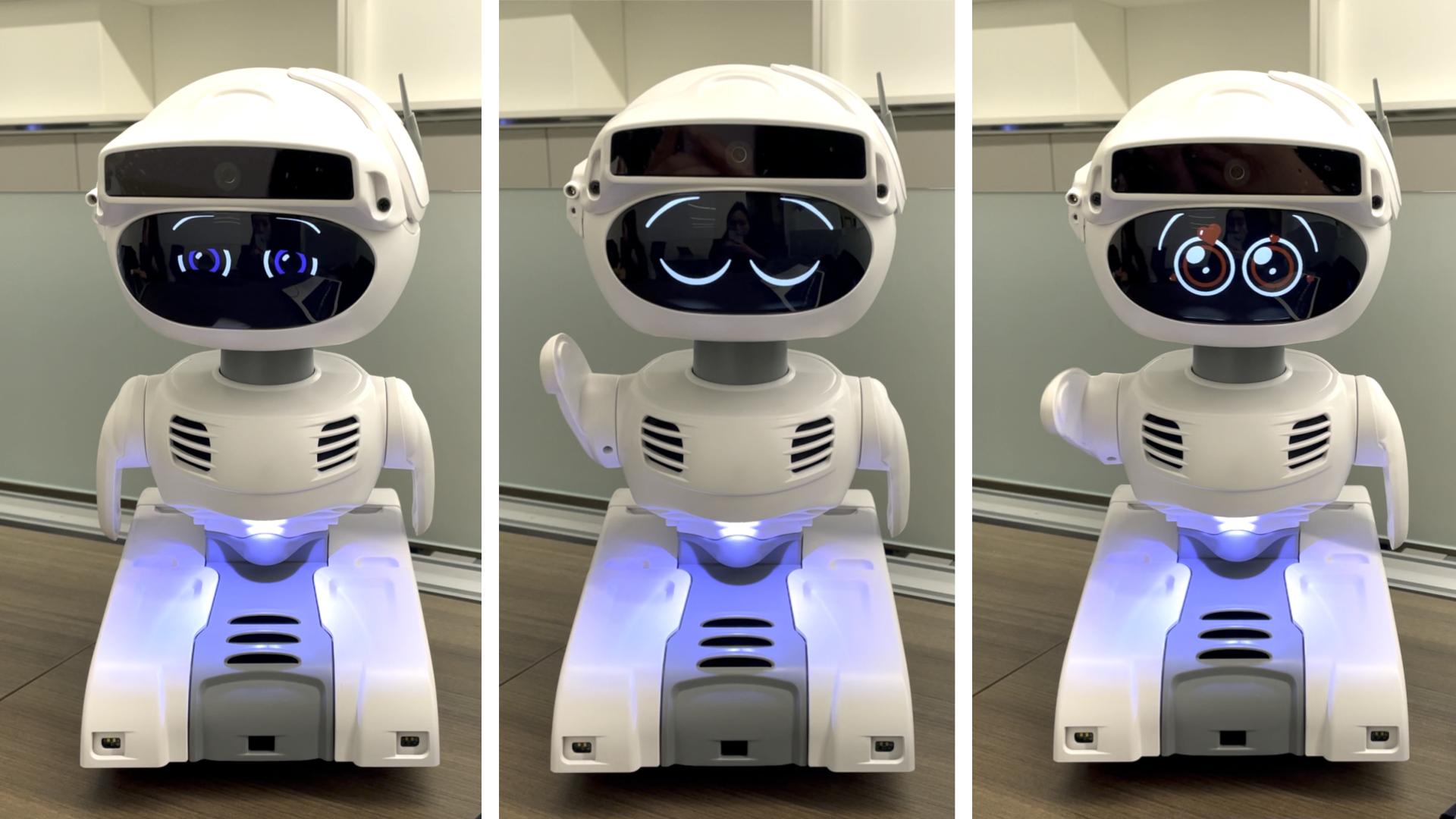
Implementing LLM-Integrated Storytelling Robot
Abstract The prevalence of mental health challenges among college students calls for innovative and accessible support systems. Traditional mental health resources are underutilized due to barriers like financial constraints and discomfort in seeking help. To mitigate these issues, recent research has explored robots for mental health interventions, but their empathy-evoking storytelling capabilities remain underdeveloped. In…
-
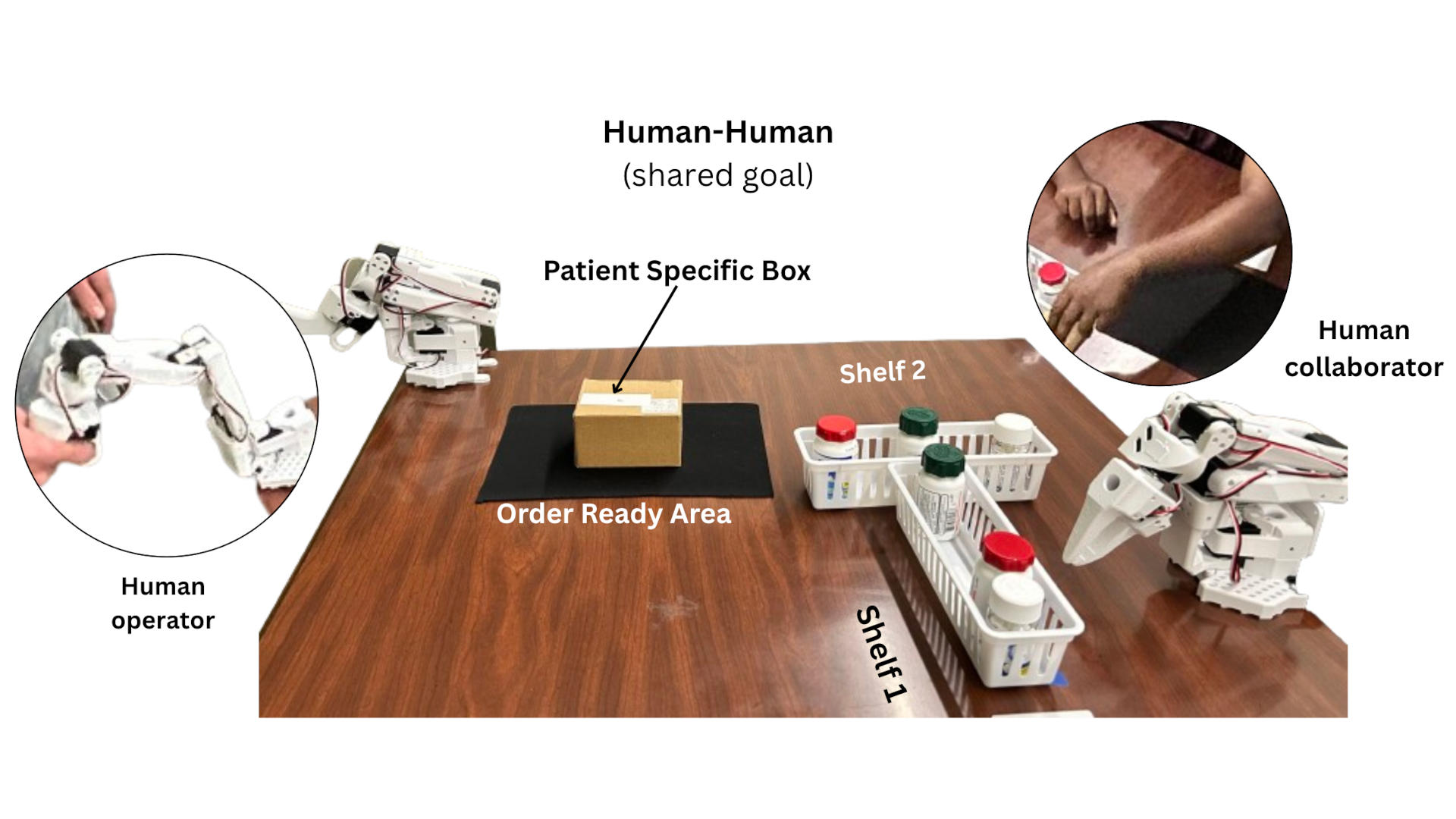
Towards Embodied Agent Intent Explanation in Human-Robot Collaboration: ACT Error Analysis and Solution Conceptualization
Abstract Collaborative robots must not only perform competently but also communicate their intents transparently to ensure safety and efficiency in shared task environments. However, state-of-the-art robot policies such as Action Chunking Transformer (ACT) models are opaque, which may make it difficult for human partners to interpret or predict their actions and intent to facilitate task…